Operations
Device grading A, B and C for refurbished IT
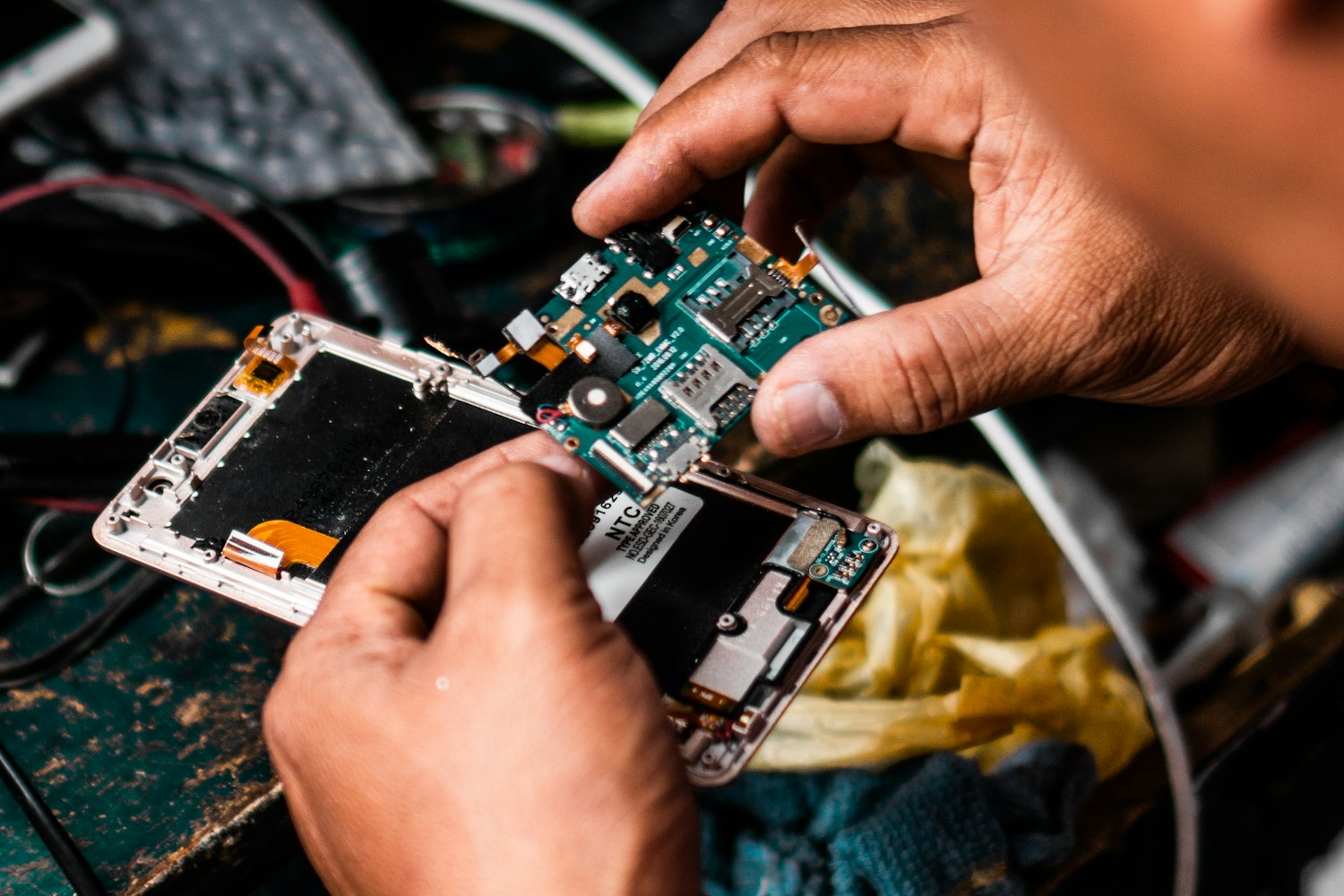
Device grading A, B and C is a written split between cosmetic wear and functional health. Grade A is light use you would put on a staff shop homepage. Grade B is honest wear with full function. Grade C is working kit with visible history, sold cheaper or kept for parts.
Priya launched an employee store in September 2024 with 80 laptops and no rubric. The intranet said "excellent condition." A finance manager opened a lid with keyboard shine and a hairline crack on the bezel. HR spent a week on Slack. The machines were fine. The words were not.
You already know buyers discount uncertainty. This article is the rubric we use after wipe and repair, and how it feeds employee programmes versus B2B lots.
Why vague grades cost more than a new lid
"Like new" is not a grade. It is an argument. So is "good," "fair" and "as is" without a photo.
Two groups will test your words:
- Employees who compare the unit to the laptop on their desk.
- Professional buyers who open 20 units from a lot and judge the worst one.
If those groups share inventory without a shared rubric, you either over-credit employees or under-price lots. Device grading A, B and C exists to stop that. It is not luxury branding. It is a way to say "this crack is allowed in B, not in A."
We grade in Refresh after data wiping. Function first, cosmetics second, then a combined letter for the channel.
Function before cosmetics
A Grade A lid with a battery at 71 percent health is a mislabelled B. Function is the part that creates tickets.
Minimum functional checks for laptops:
- Power on, display, keyboard, trackpad, ports you claim work.
- Battery health versus the threshold in the brief (we often use 80 percent for A, 70 percent for B, below that is C or recycle depending on chemistry).
- Webcam and mic if the channel is staff use.
- Storage health. A drive with reallocated sectors is not A, even if the lid is clean.
- Hinge torque. A drooping display is a return waiting to happen.
Phones: battery cycle count or health, cameras, face/touch ID if you claim it, radios, screen uniformity, buttons.
Tablets follow phones plus keyboard folio condition if you sell them as a set. Missing folios belong in the Recover file, not as a surprise in Remarket.
Tomas on the bench in Vilnius used to get "just check if it turns on" instructions from a previous vendor culture. In 2025 we timed a proper A/B/C pass at about 12 minutes for a laptop that already had a wipe log. The extra minutes were cheaper than the returns from the employee store.
If you need the grade to travel with the serial, that lives in Refresh, then Remarket. See Refresh.
Cosmetic bands that people can repeat
Cosmetics are where opinions explode. Write them as defects you can photograph.
Grade A. Light polish marks, no cracks, no missing keys, screen without bright lines, lid without deep pits. A buyer should not need a story. "Light office use" is allowed. "Someone dropped it" is not.
Grade B. Visible wear: keyboard shine, small lid scuffs, a faint stain that does not lift. Screen OK at 1 metre. Ports intact. This is the volume band for many corporate fleets.
Grade C. Obvious history: dented corner, heavy scuffs, a dead pixel cluster you declare, missing SD door. Function still passes. Price drops. Photos are mandatory. C is honest. C sold as B is how you get a works council complaint.
Below C. Recycle or harvest. Do not invent Grade D in the shop if you will not price it.
Accessories get their own line. A Grade A laptop with a chewed charger is a Grade A laptop and a Grade C PSU. Bundle truthfully.
Photos, lighting, and the one-line defect
A grade without a photo is a rumour. We shoot:
- Lid closed, front.
- Open, keyboard and screen on a dark desktop.
- Left and right ports.
- Any declared defect, close.
Same lighting. Same background. Otherwise A looks like C on a Tuesday because the fluorescent tube changed.
The defect line is one sentence: "B, keyboard shine, 3 mm scuff above trackpad, battery 76 percent." That sentence goes to HR copy and to the B2B packing list. Do not write a poem. Do not hide the scuff in a gallery of seven hero shots.
Priya now requires that line in the staff shop. Returns dropped because people stopped expecting a sealed-box Mac.
How grades map to channels
Employee benefits. A and B belong on the homepage. C can sit in a "value" tab with a warning and a lower price. If HR refuses C, recycle or send C to B2B. Do not let C leak into A because the pallet is late. See refurbished devices for employees.
B2B lots. Buyers want a band, not a rainbow. A lot of "mostly B, some A, two C" will be priced as C. Sort. If you must mix, declare the mix and price the floor. The B2B page is the commercial shape.
Internal reallocation. Same rubric. A contractor on a six-month project can take B. An executive device programme that promised A should not receive B with a smile.
Grading is part of ITAD refurbishment, not a marketing overlay you add when the shop goes live.
Thresholds we actually argue about
Write numbers. Here are defaults we use unless a client brief overrides them. They are not laws of physics.
- Battery: A ≥ 80 percent, B ≥ 70 percent, else C or recycle.
- Screen: any bright line kills A. Two or more dead pixels in the centre kill A. Edge dust in the LCD is C if we cannot clean it.
- Keyboard: shine is B. Missing legend on two or more keys is C. Missing key is fail.
- Ports: one cosmetic chip on a USB shell can stay B. Loose USB that drops a stick is fail.
- Audio: crackle at 50 percent volume is fail for A/B.
Phones: hairline on the back glass can be B if cameras are clean. A cracked display is fail unless you replace the panel and regrade.
If your partner cannot show a similar list, you will relitigate on email.
Want the rubric in your Recover brief before pickup? Send the fleet mix and we will mark what we can sell as A/B versus recycle.
Phones, tablets and the "it looks new in the photo" problem
Staff will forgive a scuffed laptop lid. They will not forgive a phone screen with an oily smear that looks like a burn in sunlight. Grade phones under the same light you use for laptops, then add a daylight check for OLED tint.
Phone-specific notes we keep on the rubric:
- Camera glass dust under the ring is B if cameras still focus. It is C if you cannot clean it.
- Face ID fail is a functional fail, not a cosmetic story.
- Replacement screens that miss True Tone should be declared. People notice in Messages.
- Cases hide cracks. Grade out of the case. Always.
Tablets sold with keyboards inherit the worse of the two grades unless you split the SKU. A Grade A iPad with a Grade C folio is a Grade A tablet and a cheap keyboard, listed that way.
Tomas keeps a "grey box" of units that look A in tungsten light and B in daylight. Those units do not ship as A. The grey box is cheaper than a return from a staff shop on a Monday.
Sampling lots so B2B buyers do not cherry-pick the truth
For employee shops you grade every unit. For large B2B lots, still grade every unit, then sample photographs. A lot of 200 with 12 hero shots is how a buyer believes they bought A and received B.
If a buyer is allowed to inspect, inspect the packed lot, not a show table of the prettiest ten. Show-table grading is a different product.
We print the band on the packing list: "Lot 18, 80 x Latitude 5440, Grade B, battery ≥70 percent, wipe Purge pass." If two units fail a buyer check against that sentence, we have a process bug. If they fail against "I hoped for A," we have a sales bug. Keep those bugs in different meetings.
Priya once asked to pull the ten cleanest B units for a board demo. We did, and we removed them from the staff shop file. Demo units are a channel. They are not a silent upgrade.
Regrade after repair, and when not to bother
A new battery can move a unit from C to B. A new lid can move B to A if function was already A. Regrade after the repair, new photos, new defect line. Do not keep the old A photo of a lid you replaced; buyers are not fools.
Do not start a hero repair on a 2016 Ultrabook because the grade letter annoyed someone in finance. Harvest or recycle. Repair time is a scarce bench resource. Spend it on families you can sell this quarter.
We keep a simple rule: if parts plus labour exceed a named share of expected resale, stop. The share lives in the Recover brief so procurement does not argue it per unit at 18:00.
Common fights, decided in writing
"It looks worse than the photo." Lighting. Reshoot the standard, do not argue taste.
"Battery was 82 percent at grade and 74 percent at delivery." Age, cycles, calibration. Put a validity window on battery grades (for example 30 days) or recheck at pack-out for A units.
"We promised like-new to the board." Then you only sell A, you pay for lid swaps, or you change the board's language. Do not ask the bench to invent A.
"Employee says the webcam is grainy." Test in the same app they use. A Teams-only fail is still a fail for a staff laptop.
"Buyer pulled the best-looking 10 from a B lot." That is cherry-picking. Lots ship as packed. If you allow picking, you are running a shop, not a lot.
FAQ
Can we use I, II, III instead of A, B, C?
Yes, if the definitions are public. Letters are what most EU buyers already type into a search box.
Should cosmetics ignore function if we disclose?
No. A beautiful brick is a brick. Disclose function fails only if you are selling for parts, and then do not call it Grade C.
Do we grade accessories?
Yes, or you will get returns for missing dongles that were never in the Recover scan.
When do we regrade after a repair?
After the repair, before photography. A new screen can move C to B. It cannot hide a 62 percent battery.
Put the letter on the serial, not on the pallet
Device grading A, B and C works when the letter is a consequence of checks, not a hope for a higher invoice. Wipe first. Measure function. Photograph cosmetics. Then pick a channel.
If you are writing an employee shop or a B2B offer this quarter, send the rubric you use today, even if it is a half page. We will tell you where it will break. Request an audit.