Operations
Reverse logistics for IT asset recovery
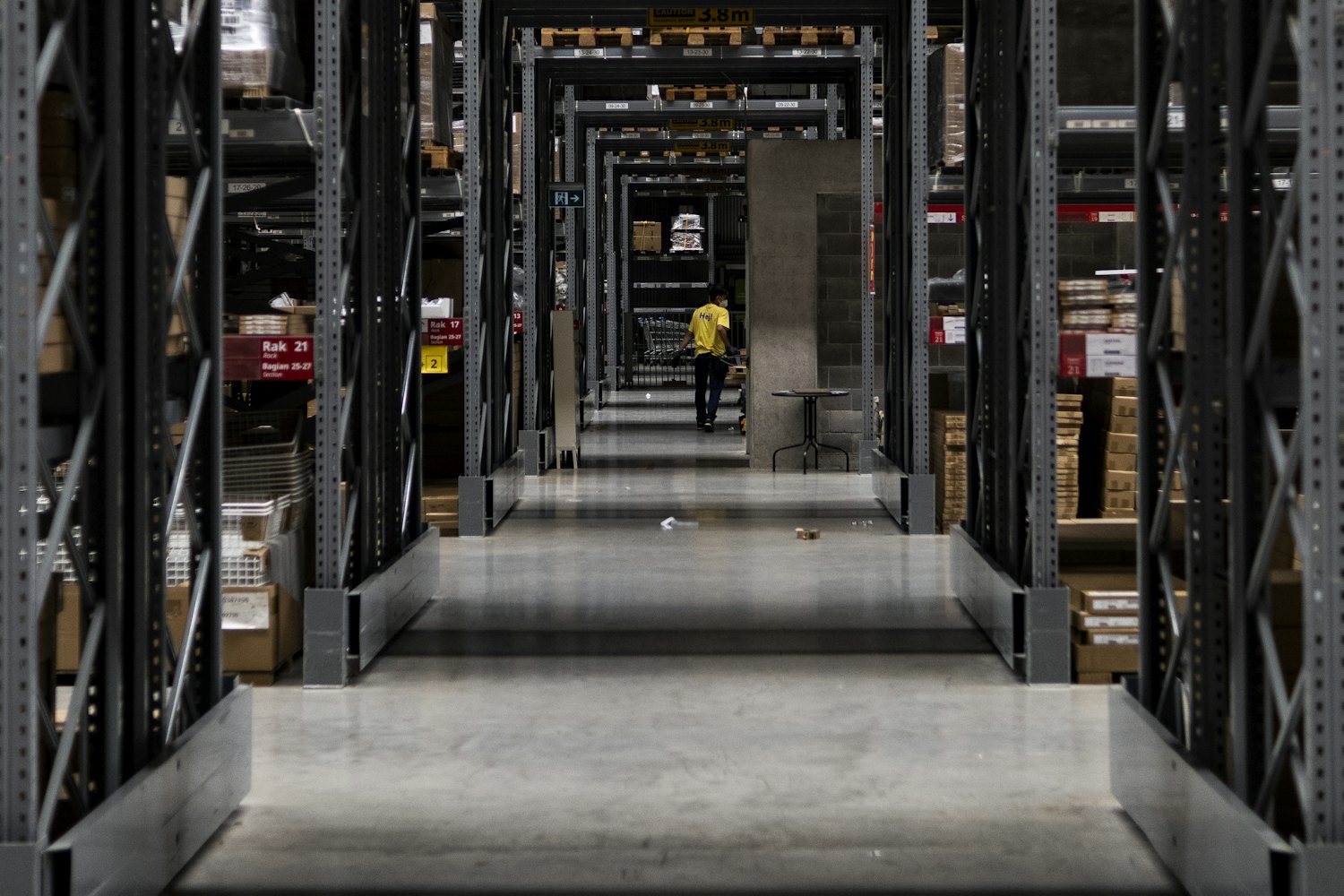
Reverse logistics for IT asset recovery is the first mile: how a laptop leaves a desk, hits a consolidation point, gets a serial scan and travels as a sealed lot, not as office waste. If that mile is sloppy, ITAD refurbishment cannot save you with a nicer workshop.
Marta ran a three-site pickup in February 2024. Facilities stacked mixed boxes in a basement. Phones sat in a supermarket bag. The courier labelled the pallet "miscellaneous electronics." At intake we spent two days matching serials that should have been scanned in Lyon. The extra labour cost more than extra cartons would have.
You already book outbound hardware. Reverse is the same discipline in the other direction, with data still on the disks. This article is the Recover playbook: kits, scans, transport and the file that Refresh inherits.
The first mile is a security control
People treat reverse logistics as a facilities chore. It is also access control. A cage of laptops left open in a loading bay is a data incident that has not been named yet.
Minimum events:
- Employee or IT hands over the device against a list.
- Consolidation scan (serial, model, declared condition, accessories).
- Seal (cage, strap, or numbered carton).
- Handover to carrier with a lot ID.
- Intake scan at the workshop that must match the lot.
If event 2 is missing, event 5 becomes archaeology. NIST wiping cannot certify a unit you never identified.
GDPR does not care that the van was late. It cares that processing stays controlled. A pallet with no owner is processing in a hallway.
Recover is the kit, the scan and the truck file. See how collection is set up.
Design the handover so people actually do it
ITAD programmes stall because returning a laptop feels like extra homework. Reduce steps.
Booking. A form or a calendar slot beats "drop it with reception." Reception will put it behind a plant.
Packaging. Anti-static bags for phones. Laptops in their sleeves if you still have them, otherwise cardboard with corner protection. Do not ask people to buy bubble wrap on the way to the office.
Accessories. Say yes or no in the brief. "Bring the charger if you still have the original" is clearer than "all accessories." Mixed third-party bricks create grading noise later.
Personal data warning. Give a cutoff date for local copies. Then wipe anyway. Do not wait for the last "I'll backup this weekend."
Jonas added a 15-minute desk-side collection for executives and a bin-plus-scan for everyone else. Completion jumped because the high-friction people got a human, and the rest got a process that did not need a meeting.
Consolidation points beat five mystery boxes
Every extra cupboard is a place serials go to die. Pick one room per site with:
- A table, a scanner, a label printer if you can.
- A locked cage or cupboard overnight.
- A printed lot sheet plus the CSV.
If you have three buildings on a campus, still one owner. Facilities can move cartons to that owner. They should not invent a second inventory.
Unknown devices will appear. Personal phones, a forgotten iPad, a monitor with no asset tag. Park them in an exceptions tote with a photo. Do not put them on the corporate pallet "to be nice." Exceptions are how you wipe the wrong person's family photos or, worse, fail to wipe a corporate disk that looked personal.
Transport: sealed lots, not miscellaneous electronics
Carriers understand pallets. They do not understand your CMDB. Give them a lot ID, a count, and a seal number. "Miscellaneous electronics" is how insurance conversations start after a rain leak.
Write in the Recover brief:
- Who books the truck.
- Who is allowed to sign at the dock.
- Whether you need GPS or only a CMR.
- What happens if the count at pickup does not match the CSV.
We move lots into the Lithuania workshop with insured transport and a proof of pickup. Distance is not the enemy. An uncounted pallet is the actual risk.
Cross-border inside the EU is paperwork-light compared with a UK or Swiss leg. Still name who books, who pays the extra waiting hour at the dock, and who has the seal list on their phone. A driver who cannot reach anyone at 16:40 on a Friday will leave with a shrug and a broken count.
If a site is too small for a pallet, use numbered cartons and a photo of the stack. Photos are cheap. Arguments are not.
Luca once signed for "about 60" laptops. Intake counted 54. The six lived in a deputy director's boot for a week. The file said 60. Legal asked about 60. Boot storage is not a wipe method.
What the Recover file must contain
Refresh cannot guess. Send:
- Serial, make, model.
- Site and lot ID.
- Declared condition (screen cracked / unknown / looks fine).
- Accessories present.
- MDM status if you know it (retired / still enrolled / unknown).
- Exceptions flagged.
A photo of the pallet label glued to the email is a valid extra. A PowerPoint of "our circular journey" is not a file.
If serials come from Intune, export close to pickup day. Stale exports create ghost rows and missing rows. Both waste bench time.
This file is also the start of carbon reporting. Avoided CO2 needs device types. "Electronics, mixed" is not a type.
Employee leavers, drawers, and the year of silent storage
The ugliest reverse-logistics problem is not the truck. It is the laptop that sat in a drawer after someone left in April. Facilities find it in November. MDM was retired. The disk was not wiped. The serial is in a leaver ticket that nobody joined to Recover.
Put leavers on a weekly Recover cadence, not on the annual refresh. A small carton every Friday beats a basement archaeology project. HR already has a leaver checklist. Add "device to consolidation, scan, lot ID" as a real line, next to badge return.
Drawers also hide personal devices. Exceptions tote, photo, do not guess. Guessing is how you process a child's iPad as corporate or skip a corporate disk that had a sticker peeled off.
Marta now has a monthly "orphan" report: serials in Intune retired but never scanned. That list is the true backlog. The refresh pallet is theatre if the orphans stay.
Kit contents that survive contact with real offices
A Recover kit we actually ship to a site:
- Serial scanner or a phone app that cannot save to a random desktop CSV forever.
- Labels with lot ID and a human-readable site code.
- Phone bags, a handful of laptop sleeves, cable ties.
- A one-page rule sheet in the language people on that floor actually read.
- Tape that is not the good tape from the marketing cupboard, because that tape will vanish.
If the kit requires a 40-minute training, it will not be used. If it requires a hero, it will wait for the hero's holiday.
Jonas laminated the rule sheet. It is a joke in the office. It is also still on the wall. Laminating beats a Notion page nobody opens at the cage.
Multi-site calendars and the Friday dump
If you run eight countries, do not pick one pickup week for all of them unless you like intake queues and tired operators. Stagger. A Recover calendar with site, count, owner, and a freeze date (no more drawers after Tuesday) keeps Refresh honest.
The Friday dump is a known failure: people clear desks before a long weekend and call it a programme. Put a cutoff on Wednesday for that week's lot. Late units wait for the next carton. It sounds harsh. It is kinder than a mixed bag with no scan.
Insurance likes counts. So does GDPR. A staggered calendar is not bureaucracy. It is how you keep event 2 (consolidation scan) possible when volumes spike.
We would rather run three small lots than one heroic pallet that arrives with a shrug and a torn CSV.
96-hour sort and why SLAs belong on Recover
A sort SLA (we often talk 96 hours from intake to first routing decision) only works if the pallet arrives with identity. Otherwise the clock is a lie.
Put the SLA on Recover-plus-Refresh as a pair:
- Pickup window.
- Transit days.
- Intake scan completeness.
- Time to wipe queue.
If you only SLA the workshop, sites will dump drawers on a Friday and call it your delay.
Eurostat's WEEE figures show how much equipment Europe puts on the market versus what collection systems take back. Your company-level version of that gap is kit sitting in storage because reverse logistics was nobody's job.
FAQ
Can employees ship from home?
Yes, with a labelled carton and a serial on the waybill. Home shipping without a serial is how you lose chain of custody. Prefer campus consolidation when volumes allow.
What about monitors and docks?
They follow the same lot logic. They often skip wipe. They still need serials if you capitalised them. Weight will dominate the truck quote; say so early.
Do we need GPS on every van?
Not always. You need a seal, a count and a responsible signature. GPS helps on high-value lots. It does not replace the CSV.
Who pays customs inside the EU?
Usually nobody, for EU-to-EU. Still name Incoterms on extra-EU legs. Lithuania intake does not magically solve a UK pallet with the wrong paperwork.
Make the truck boring
Reverse logistics for IT asset recovery should feel uneventful: a list, a scan, a seal, a matching intake. Drama is a missing serial.
If a refresh is coming, map sites and owners before you argue about Grade A definitions. Recover is that map. When you want dates on a pickup, contact us with a site list and a rough count. We will tell you where the first mile will break.